
Pipeline
How to Manage Sales Pipeline Without Lost Deals
August 6, 2026 · 7 min read · by Adam Snider
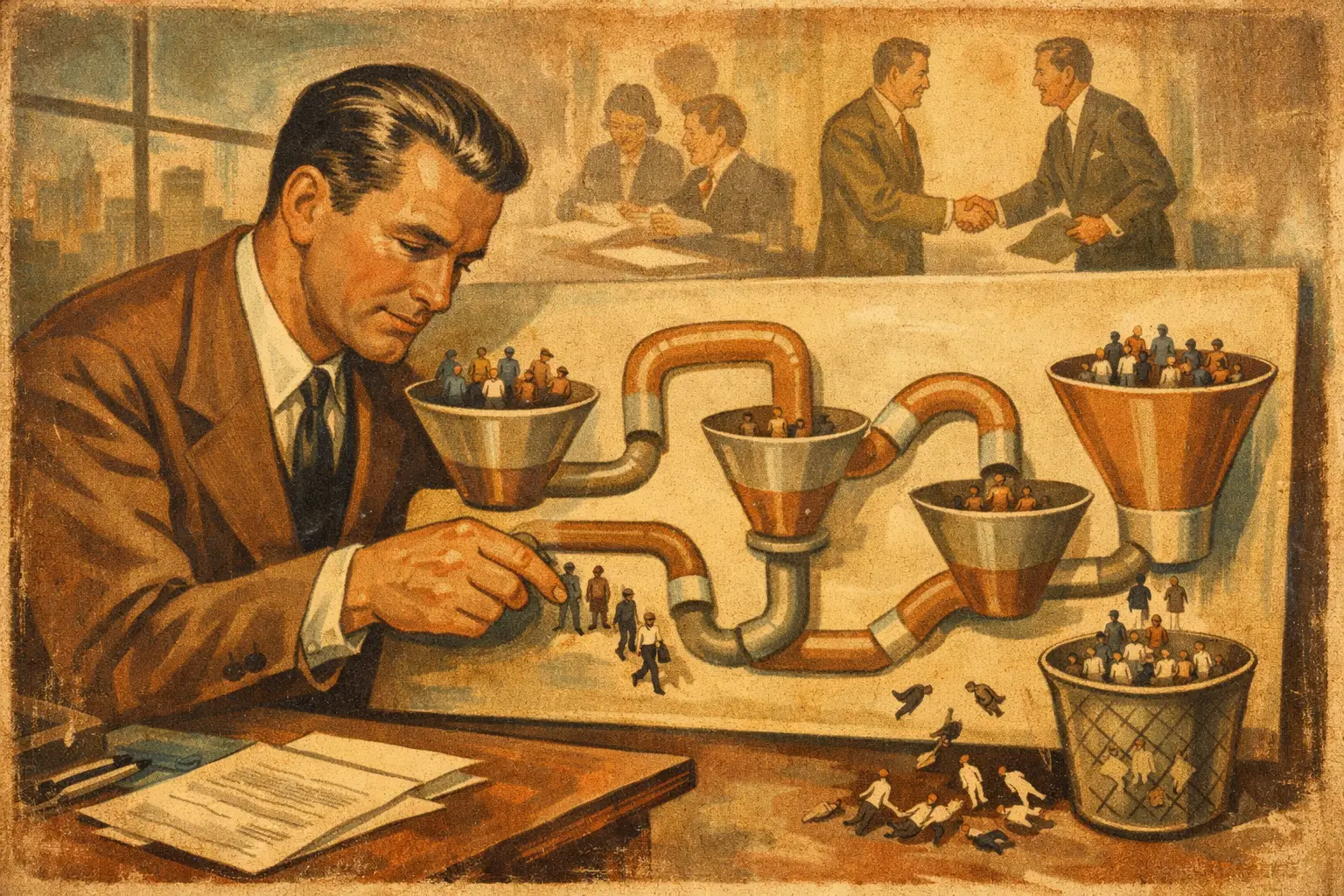
A full schedule can hide a weak sales operation. Your team may be running estimates, answering calls, and sending proposals every day, yet revenue still comes in unevenly because opportunities are...
A full schedule can hide a weak sales operation. Your team may be running estimates, answering calls, and sending proposals every day, yet revenue still comes in unevenly because opportunities are quietly stalling between first contact and signed agreement. Knowing how to manage sales pipeline is how a trades business turns activity into predictable production, staffing decisions, and profit.
A pipeline is not a list of names in a CRM. It is a management system for every real opportunity your company has earned. When it is built correctly, your sales team knows what to do next, managers can see where deals are getting stuck, and owners stop relying on gut feel to forecast the month.
Start With Stages That Reflect How Customers Buy
Most trades businesses do not need a complicated pipeline with 12 stages and dozens of fields. They need a few clear stages that match the actual customer journey. The test is simple: can two different salespeople look at the same opportunity and place it in the same stage based on observable facts?
For a home service or contracting company, that process might move from new lead to contact made, qualified opportunity, appointment scheduled, estimate completed, proposal presented, follow-up, and won or lost. Your stages may differ depending on your work. A commercial contractor with longer bid cycles will need more room for scope review, stakeholder alignment, and procurement. A residential replacement business may move faster from appointment to close.
What matters is that each stage has an entry requirement. “Proposal presented,” for example, should mean the customer has actually reviewed the recommendation with a salesperson. It should not mean a quote was emailed and no one knows whether it was opened. When stages are based on wishful thinking, forecasts become fiction.
Define the Next Action for Every Open Deal
Every opportunity in the pipeline should answer three questions: What happened last? What happens next? When will it happen?
If a salesperson cannot answer those questions in under a minute, the deal is not being managed. It is being hoped for. A next action should be specific: confirm financing options with the homeowner on Thursday at 4 p.m., review revised scope with the facility manager Tuesday morning, or send insurance documentation by end of day.
“Follow up next week” is not a next action. It is a reminder that someone has not made a plan. Specific commitments create accountability and reveal whether the customer is genuinely engaged.
Qualify Early So the Pipeline Stays Honest
A crowded pipeline feels good until you realize half the opportunities were never likely to buy. Unqualified leads consume follow-up time, distort conversion rates, and give salespeople an excuse for missed targets.
Qualification is not about interrogating prospects or forcing a rigid script. It is about having an honest conversation before your team invests significant estimating and sales resources. Do they have a real problem your company can solve? Is the project within your service area and capability? Who is involved in the decision? Is there a realistic timeframe? Is there a budget range, financing path, or procurement process?
For trades businesses, the strongest qualification often happens when the salesperson connects the technical issue to the customer’s business or household impact. A failing HVAC unit is not just equipment. It can mean uncomfortable tenants, lost operating hours, employee complaints, or an expensive emergency replacement later. If the team understands the consequence of doing nothing, it can recommend the right solution without sounding pushy.
Not every lead deserves the same level of pursuit. Mark low-fit opportunities clearly, refer them when appropriate, or close them out. A smaller, cleaner pipeline is more valuable than a large one filled with dead deals.
Make Follow-Up a Process, Not a Personality Trait
Many good salespeople lose deals because their follow-up is inconsistent. They get busy running appointments, managing jobsite questions, or chasing the newest inbound lead. The customer who needed time to think gets forgotten until a competitor has already earned the work.
Set a follow-up standard by pipeline stage. After an estimate, the first follow-up may happen within 24 hours to confirm the customer received and understood the recommendation. The next conversation should add value, not simply ask, “Did you have any questions?” It might clarify differences between options, address financing, explain scheduling, or revisit the problem the customer wants solved.
The right cadence depends on the sales cycle. A same-day residential repair opportunity requires speed. A six-figure commercial project may need patient, scheduled contact over months. In both cases, silence should be a decision, not an accident. If a prospect goes quiet, the salesperson should use a defined re-engagement approach and eventually close the opportunity as lost or deferred rather than leaving it open forever.
Coach the Conversations Behind Stalled Deals
A deal rarely stalls because a salesperson failed to send one more email. It usually stalls because something important was not uncovered or addressed: the real decision-maker was absent, price was presented without value, urgency was assumed, or an objection was accepted too quickly.
Review stalled opportunities in weekly pipeline meetings. Do not make the meeting a readout of CRM notes. Ask the questions that expose the real sales issue: What problem did the customer say they are trying to solve? What is the cost of waiting? Who else needs confidence before moving forward? What objection was raised, and how did we respond?
This is where sales coaching matters. A manager should help the salesperson plan the next conversation, not take over every difficult deal. Over time, the team learns how to lead more authentic conversations and move opportunities forward without resorting to pressure or canned lines.
Track the Metrics That Show Where Revenue Is Leaking
Revenue is a lagging indicator. By the time monthly sales are down, the problem may have started weeks or months earlier. Pipeline management requires a handful of leading indicators that show where the process is breaking.
Track lead response time, contact rate, appointment-set rate, appointment show rate, estimate-to-close rate, average sale, sales cycle length, and follow-up completion. You should also track the number and value of opportunities in each stage. That lets you see whether the issue is lead quality, sales execution, capacity, pricing, or a bottleneck in the process.
For example, a low close rate can mean several different things. If appointment show rates are weak, the issue may be confirmation and pre-call communication. If estimates are being delivered but not sold, the team may need better discovery, presentation, or objection handling. If close rates are strong but revenue is still inconsistent, you may simply need more qualified opportunities entering the top of the pipeline.
Do not use metrics to punish people. Use them to diagnose the system. Good sales leadership identifies the constraint, fixes it, and verifies that the change improved results.
Build a Weekly Pipeline Rhythm
A CRM will not manage your pipeline for you. The discipline comes from a regular operating rhythm.
Each salesperson should review open opportunities before the week begins, update stages, and schedule next actions. Sales leaders should hold a focused pipeline review every week, with attention on large opportunities, aging deals, missing next steps, and opportunities that need coaching. Keep the meeting practical. The goal is not perfect data entry. The goal is to create movement on the right deals.
Set clear rules for aging opportunities. If an estimate has been in follow-up for 90 days with no response, it should not remain in the active forecast just because the salesperson does not want to let it go. Move it to deferred, nurture it with marketing, or mark it lost with a reason. Lost reasons are useful data when they are honest. “No decision” may point to weak urgency, while “price” may reveal a value conversation that never happened.
Use Forecasts to Run the Business, Not Impress the Owner
A credible forecast separates committed work from probable work and early-stage opportunity. It accounts for historical close rates rather than assuming every open proposal will land. This matters when you are hiring technicians, planning inventory, setting revenue targets, or deciding how aggressively to market.
Forecasting will never be perfect. Weather events, financing changes, customer delays, and job complexity can all shift results. But a disciplined forecast is still far better than reacting when the calendar is already thin. It gives leadership time to increase lead generation, coach the team, pursue dormant opportunities, or adjust capacity before the problem becomes a payroll issue.
If your pipeline is full but unpredictable, do not ask your team to “sell harder.” Look at the stages, the follow-up behavior, the conversations, and the management rhythm. The quality of your workmanship should be matched by the quality of the system that sells it. Start with one pipeline review this week, require a real next step on every open deal, and let the facts tell you what to fix next.